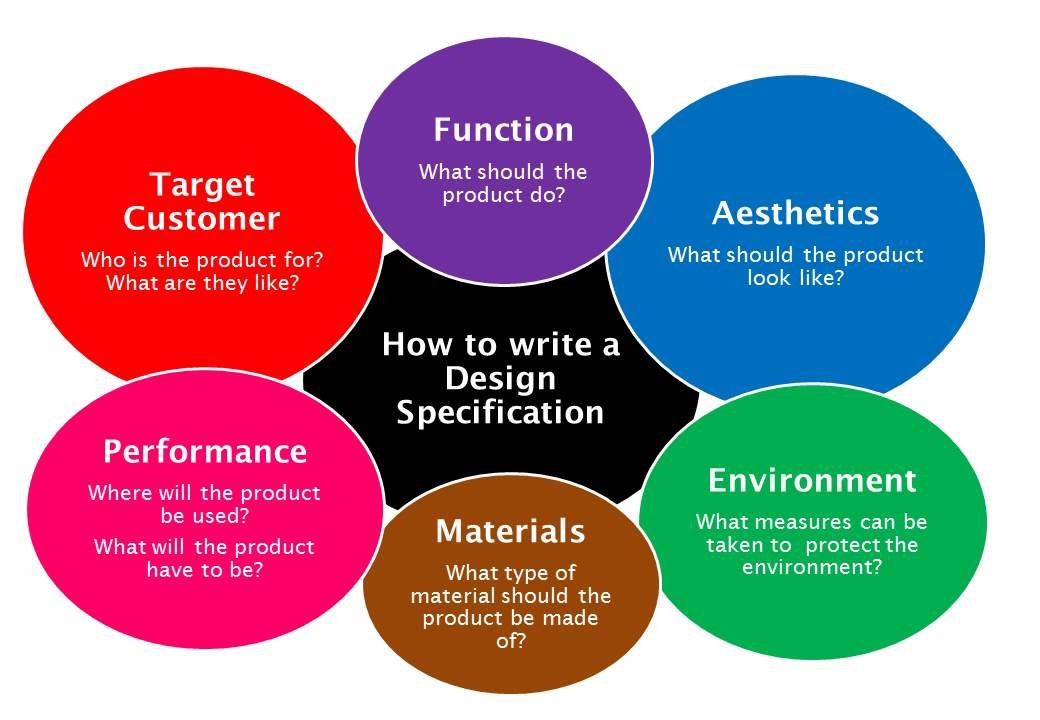
Great products don't just happen; they're meticulously built, brick by well-defined brick. At the heart of every successful product, from a sleek app to a robust industrial machine, lies a solid foundation of Specifications & Design Features. These aren't just technical documents; they are the shared vision, the detailed instruction manual, and the quality assurance checklist all rolled into one, guiding teams from the spark of an idea to a polished, market-ready reality. Without them, even the most brilliant concept can dissolve into confusion, cost overruns, and user disappointment.
You're about to dive into the essential blueprint of product development—what specifications and design features are, why they're indispensable, who crafts them, and how they ensure your product not only meets requirements but truly excels.
At a Glance: Your Blueprint for Product Success
- What They Are: Detailed documents outlining every requirement, constraint, and characteristic of a product. Think of them as the comprehensive instruction manual for building your vision.
- Why They Matter: They ensure clarity, consistency, and alignment across all stakeholders, preventing misinterpretations and costly rework.
- Who's Involved: Primarily UX designers and product managers, often in close collaboration with developers, engineers, and other key team members.
- Key Benefits: Foster seamless communication, reduce scope creep, enhance product quality, and lay the groundwork for future scalability and iteration.
- More Than Just Text: They integrate visual elements like wireframes, prototypes, and detailed interaction flows to paint a complete picture.
Why Specifications & Design Features Are Your Product's Blueprint
Imagine building a house without a blueprint. You might end up with walls that don't connect, pipes that lead nowhere, and a roof that doesn't quite fit. The same chaos can plague product development without robust design specifications. These detailed documents act as the foundational blueprint, outlining essential requirements, constraints, and features. They ensure that everyone—designers, developers, stakeholders, clients—is working from the same script, pursuing a unified goal.
In the realm of UX design, this blueprint becomes even more critical. It’s where user needs, business goals, and technical feasibility converge into a coherent plan.
The Indispensable Role of Specs in UX Design
Good UX isn't just intuitive; it's intentionally designed. Here's why detailed specifications are the backbone of great user experiences:
- Clarity and Consistency: They translate a design vision into precise, actionable details. This means your development team clearly understands exactly what needs to be built, ensuring the final product mirrors the intended user experience and maintains consistency across every interaction.
- Communication and Collaboration: Specifications are a universal language. They align everyone from the CEO to the front-end developer, reducing misunderstandings and fostering a collaborative environment. For cross-functional agile teams, this shared understanding is paramount to avoiding project failures.
- Smooth Handoff to Development: The transition from design to development can be a minefield of questions and assumptions. Comprehensive specs minimize this friction, providing developers with everything they need to implement designs efficiently, reducing back-and-forth communication.
- Effective Design Implementation: They guide developers in transforming abstract UX designs into functional applications. By detailing specific interactions, visual elements, and expected behaviors, specifications ensure the product aligns perfectly with the initial user vision.
- Scalability and Iteration: A well-documented foundation is crucial for growth. When it's time to adapt, enhance, or evolve your product based on user feedback or market shifts, detailed specifications provide a clear starting point, making future iterations smoother and more predictable. This proactive approach helps avoid costly redesigns later on.
- Avoid Scope Creep: Unchecked feature additions can derail a project faster than anything else. Specifications clearly define project parameters, acting as a guardrail against expansions that could lead to delays, increased costs, and diluted product focus. They keep your team anchored to the agreed-upon goals.
- Enhance Product Quality: By refining product design and functionality through precise documentation, specifications directly contribute to higher-quality outcomes. This means delivering products that not only meet but often exceed user expectations, leading to greater satisfaction and adoption.
Crafting the Blueprint: Who Writes & What Goes In
Who shoulders the responsibility for detailing these crucial documents? While it often falls to specific roles, it's increasingly a collaborative effort.
Who is Responsible for Writing Design Specifications?
Typically, the responsibility for authoring UX design specifications rests with:
- UX Designers: Leveraging their deep understanding of user behavior and interaction patterns.
- Product Managers: Guiding the overall product vision, market needs, and business requirements.
- A Collaborative Team Effort: In many organizations, particularly those practicing agile methodologies, it's a shared responsibility, with input from developers, quality assurance, and even marketing.
Regardless of who puts pen to paper (or pixels to screen), the goal is a unified vision that all stakeholders can understand and build upon.
The Anatomy of a Design Specification: What It Contains
Beyond annotated wireframes and user flows, design specifications delve into the granular details that bring a product to life. They can include:
- Visual Design: The precise color palette (HEX, RGB, CMYK values), typography standards (font families, sizes, weights, line heights), and iconography (style, size, usage rules).
- Layout: Detailed grid systems, spacing rules (padding, margins for various elements), and how the design adapts for different screen sizes and devices (responsive design breakpoints).
- Interaction Design: Specifications for every UI element (button states, input field behaviors, dropdown menus), microinteractions (animations for clicks, hovers, loading states), and how the system responds to user input (error messages, success states).
- Content: The specific wording, tone of voice, style guide for text, and any multimedia content specifications (image formats, video compression).
- Accessibility: Guidelines like WCAG (Web Content Accessibility Guidelines) to ensure the product is usable by individuals with disabilities, covering aspects like contrast ratios, keyboard navigation, and screen reader compatibility.
- Technical Specifications: Requirements for file formats, asset sizes, supported browsers and devices, API endpoints, and any specific technical considerations developers need to implement the design effectively.
Tools of the Trade for Design Specifications
The right tools can streamline the specification process, making it more efficient and collaborative.
- Figma: A powerhouse for collaborative interface design, Figma allows real-time team collaboration, asset generation, and direct creation of design specifications through plugins and native features. Its inspect panel is invaluable for developers.
- Zeplin: Specializing in design handoff, Zeplin simplifies exporting design specs and assets from tools like Figma or Sketch, providing developers with dimensions, colors, fonts, and code snippets in an organized, developer-friendly format.
- Sketch: While primarily a prototyping tool, Sketch, like Figma, also facilitates specs creation through plugins and its native measuring tools.
- Documentation Tools: Microsoft Word, Google Docs, and Confluence are commonly used for narrative documentation, functional requirements, and overarching project specifications.
- Diagramming Tools: Lucidchart and Microsoft Visio help create flowcharts, process maps, and system architecture diagrams.
- Version Control: GitHub and Bitbucket, typically for code, can also house design specification documents, ensuring proper version control and collaboration on textual components.
Dissecting the Specification Document: Essential Components
A truly comprehensive design specification document is a meticulously organized artifact. It leaves no stone unturned, providing a holistic view of the product to be built.
- Title Page: The gateway to the document, featuring the project name, creation date, version number (critical for tracking changes), and the author(s).
- Table of Contents: A clear navigational aid, listing all sections and subsections to help readers quickly find specific information.
- Introduction: Sets the stage, outlining the document's purpose, the overarching project overview, and its intended audience.
- Scope: Defines the project boundaries, clearly stating what the product will and will not do, along with any limitations. This is crucial for managing expectations and preventing scope creep.
- Functional Requirements: The core of "what the system does." This section details specific system functions, capabilities, use cases (how users interact with the system), and user stories (features from a user's perspective).
- Non-Functional Requirements: Describes "how well" the system performs its functions. This includes aspects like performance (speed, response time), security, scalability, usability, and compliance with industry standards or regulations.
- User Interface Design: This is where the visual and interactive aspects come alive, typically including wireframes or mockups, detailed user interactions, and the complete user flow.
- Data Design: Specifies how data is structured and managed, including database schemas, data models, and data flow diagrams.
- System Architecture: Provides a high-level overview of the system's structure, including diagrams and descriptions of how different components interact.
- Dependencies: Lists any third-party integrations, external systems, or prerequisite components the product relies on.
- Assumptions and Constraints: Identifies any factors assumed to be true during design and development, as well as any limitations or restrictions that could impact the project.
- Risks and Mitigation: A proactive section outlining potential risks to the project (technical, resource, market) and proposed strategies to mitigate them.
- Glossary: Defines technical terms, acronyms, and jargon used throughout the document, ensuring clarity for all readers.
- References: Lists all cited sources, supporting documents, and external resources.
Mastering the Art: Best Practices for Robust Specifications
Creating excellent design specifications is an art informed by discipline. Adhering to best practices ensures your documentation is a living, valuable asset.
- Establish a Clear and Detailed UX Design Process: Don't just jump into spec writing. Begin with thorough preliminary planning, including user research, competitor analysis, and clear goal setting. Then, define detailed UI design requirements before development begins. This structured approach ensures all bases are covered.
- Prioritize User-Centric Design: Your specifications should always orbit around the user. Incorporate user feedback early and often, and regularly conduct usability testing with prototypes. As Jakob Nielsen emphasized in "Usability Engineering," a commitment to understanding user needs is paramount for product success.
- Maintain Consistency and Clarity: Ambiguity is the enemy of good specifications. Ensure design consistency across all platforms and devices. Every specification—from a button's pixel dimensions to an animation's duration—must be clear, unambiguous, and easily understood by every team member.
- Incorporate Accessibility and Inclusivity: Design for everyone. Detail guidelines for accessibility (e.g., WCAG compliance) to ensure your products are usable by people with a wide range of abilities. This isn't just a compliance checkbox; it's a moral imperative and expands your user base.
- Utilize Visual Aids and Documentation: Text alone often isn't enough. Use diagrams (flowcharts, sitemaps), tables (for data, error states), and interactive prototypes to visually clarify design requirements. A picture truly is worth a thousand words when communicating complex interactions.
- Regularly Update and Refine Specifications: Specifications are not static. As your project progresses, new insights emerge, requirements shift, and feedback rolls in. Revisit and refine your documents regularly. Version control is your best friend here, ensuring everyone is always working with the most current information. This iterative approach is particularly vital in agile environments.
Navigating the Nuances: Special Considerations in UX Design Specs
While the benefits are clear, implementing and maintaining robust UX design specifications comes with its own set of challenges. Being aware of these can help you plan better and mitigate potential roadblocks.
- Cost and Resource Allocation: Establishing and maintaining comprehensive specifications requires significant investment. This includes skilled UX professionals, licenses for advanced tools like Figma or Zeplin, and time for thorough research and documentation. Budgeting for this upfront is crucial.
- Recruitment and Retention Challenges: The demand for top UX talent—especially those proficient in detailed specification writing and cross-functional collaboration—is high. Finding and retaining these skilled professionals in a competitive market can be difficult.
- Resistance to Organizational Change: Introducing new specification processes, or even formalizing existing informal ones, can face resistance from teams accustomed to different workflows. Effective change management, clear communication of benefits, and leadership buy-in are essential.
- Integration with Existing Processes: Seamlessly aligning UX design specifications with established development workflows, project management methodologies (e.g., Agile, Waterfall), and departmental priorities can be challenging. It requires flexibility and a willingness to adapt on all sides.
- Measure of Return on Investment (ROI): Quantifying the tangible benefits of UX investment—such as increased user satisfaction, reduced support costs, or higher conversion rates—can be complex. Demonstrating a clear ROI for detailed specifications, though often indirect, is important for securing continued investment.
- Scalability Concerns: As projects grow in complexity or as the organization expands, scaling the UX team and resources to meet the demands of larger or more numerous projects can become a significant challenge. Robust specification processes need to be scalable themselves.
Specifications vs. Guidelines: Knowing the Difference
While both are crucial for design, specifications and guidelines serve distinct purposes. Understanding this difference is key to using them effectively.
- Design Specifications: These are the how-to manual. They provide detailed, technical descriptions. Think exact measurements, specific materials, precise interaction flows, and defined processes. Specifications ensure all stakeholders understand the exact requirements and standards, maintaining consistency and quality down to the pixel. Once established for a project or component, they are generally stable and precise.
- Design Guidelines: These are the philosophy and principles. They offer broader, high-level principles and best practices. They serve as a flexible framework for creating user-friendly, aesthetically pleasing, and functional designs, focusing on the overall experience, brand voice, and underlying philosophy rather than exact details. Guidelines are more fluid and often evolve over time, adapting to new trends or user research.
Consider a simple analogy: A design guideline might state, "Buttons should be easily tappable and provide clear feedback." A design specification, however, would say, "Primary buttons shall have a minimum target size of 44x44dp, use HEX #007AFF for the default state, change to #0056B3 on hover, and animate with an ease-in-out duration of 0.2s on click."
The Devil's in the Details: How Much Specification is Enough?
The optimal level of detail in design specifications is a balancing act. It's not about documenting everything, but rather everything necessary for clarity and precision, without stifling agility or creativity.
Specifications should be detailed enough to:
- Eliminate ambiguity: Every team member should understand what needs to be built without making assumptions.
- Ensure consistency: Across screens, features, and even different products in your ecosystem (like the iPod Shuffle 2nd Generation hub of products, which needed consistent design language across models).
- Facilitate accurate development: Provide developers with all the information they need to implement the design correctly the first time.
- Support quality assurance: Give testers clear criteria to evaluate against.
This means including: - Technical requirements: Exact measurements, pixel values, responsive breakpoints, material finishes.
- Functional requirements: Specific features, user interactions, system responses.
- Visual requirements: Diagrams, wireframes, mockups, redlines, component states.
- Compliance and testing procedures: How the product will be tested against its specifications.
The key is to tailor the detail level to the project's complexity, team's experience, and the desired level of fidelity. Too little detail leads to rework; too much can lead to analysis paralysis.
Bringing Designs to Life: The Role of Wireframes, Prototypes, and Personas
These three elements are powerful allies in the specification process, providing context and clarity to the written word.
- Wireframes: These are the skeletal outlines of your product. They map out the basic layout, structure, and hierarchy of content and UI elements, showing where things will go without distracting visual details. Wireframes are excellent for understanding content flow and basic user journeys early in the process, serving as foundational blueprints for more detailed specifications.
- Prototypes: Moving beyond static layouts, prototypes are interactive models that simulate user interactions. They allow stakeholders and users to experience the product's functionality, demonstrate specific workflows, and aid in identifying usability issues. Prototypes are invaluable for gathering feedback and validating design decisions before committing to costly development.
- User Personas: These are detailed, fictional representations of your target users, based on real data and research. Personas bring your users to life, highlighting their needs, goals, pain points, and behaviors. By making the design process explicitly user-centered, personas guide design decisions, improve communication among team members, and ensure a shared, empathetic understanding of who you are building for.
Adapting to Change: Managing Evolving Requirements
In dynamic product development environments, requirements rarely remain static. Effectively managing changes is a hallmark of a mature process.
- Clear Communication: Ensure all stakeholders are informed about proposed changes, their rationale, and potential impacts. Transparency builds trust.
- Impact Assessment: Before approving any change, assess its potential effects on scope, timeline, budget, and other dependencies.
- Prioritization: Not all changes are created equal. Work with product managers to prioritize changes based on business value, user impact, and feasibility.
- Update Project Plans: Reflect approved changes in all relevant project documentation, including the design specifications, project schedules, and resource allocation plans.
- Utilize Version Control: Implement robust version control for all specification documents. This allows you to track every change, revert to previous versions if needed, and maintain an audit trail.
- Conduct User Testing: Validate modifications with user testing using updated prototypes. Ensure the changes genuinely improve the user experience and don't introduce new usability issues.
- Maintain Flexibility: While specifications provide structure, the process itself needs to be flexible enough to accommodate iterative improvements and adapt to new insights.
Avoiding the Pitfalls: Common Mistakes to Sidestep
Even with the best intentions, several common errors can undermine the effectiveness of your specifications.
- Ignoring User Research: Building products based on assumptions rather than actual user needs is a recipe for disaster. Specs without user research are fragile.
- Lack of Clarity and Specificity: Vague language or ambiguous instructions lead to misinterpretation and rework. Every detail matters.
- Overlooking Usability Testing: Skipping testing with prototypes means potential issues aren't caught until much later, when they're more expensive to fix.
- Failing to Prioritize Features: Trying to include "everything" often results in an unfocused product that does many things poorly. Prioritization is key.
- Neglecting Scalability: Designing only for the immediate future without considering how the product might grow can lead to technical debt and costly overhauls.
- Ignoring Accessibility: Overlooking accessibility excludes a significant portion of your potential user base and can lead to legal complications.
- Poor Communication: Siloed teams, lack of feedback loops, and infrequent updates between designers, developers, and stakeholders will inevitably lead to misalignment.
Agile & Specs: A Harmonious Partnership?
Some believe detailed specifications clash with agile methodologies, but the truth is they can be powerful allies. Agile development emphasizes flexibility and rapid iteration, but it still benefits immensely from clear direction.
Teams can effectively integrate UX design specifications into agile processes by:
- Breaking Down Specs: Instead of one massive document, break down specifications into smaller, manageable tasks or "epics" that can be tackled within sprint cycles.
- Close Collaboration: Maintain constant communication between UX designers and developers. Daily stand-ups, frequent pair design/development sessions, and regular review meetings help ensure alignment.
- User Stories & Personas: Integrate detailed user stories and personas directly into the product backlog. This ensures that every development task is tied back to a user need.
- Continuous Testing and Refinement: Design specifications are living documents. Continuously test and refine designs based on user feedback received during and after each sprint. This iterative approach allows for adaptation while still maintaining a clear vision.
- "Just-in-Time" Documentation: Create detailed specifications for features that are immediately relevant to the current or upcoming sprint, rather than attempting to spec out the entire product upfront.
As Campos and Nunes proposed in their 2007 work, interactive user interface specifications can even support product customization within such dynamic frameworks, demonstrating the adaptability of well-structured documentation.
Testing Your Blueprint: Ensuring Accuracy and Completeness
A specification is only as good as its accuracy and completeness. Rigorous testing of the specifications themselves, before development, can save immense time and resources.
- Review with Stakeholders: Conduct thorough reviews with all key stakeholders—product managers, developers, QA, business analysts, legal—to ensure everyone agrees with the documented requirements.
- Usability Testing with Prototypes: Use interactive prototypes derived from your specifications to conduct usability testing with real users. This helps validate the design and interaction flows.
- Checklists and Cross-Referencing: Develop checklists to verify functionality, accessibility, performance, and security requirements against the specifications. Cross-reference different sections of the document to ensure consistency and avoid contradictions.
- User Scenarios and Use Cases: Walk through detailed user scenarios and use cases with the team, ensuring the specifications adequately cover every step and potential outcome.
- Compare Against User Personas: Continuously refer back to your user personas and their pain points/goals. Do the specifications genuinely address these needs?
By meticulously testing your specifications, you're not just finding errors in the document; you're proactively preventing bugs and design flaws in the actual product.
Your Next Steps: Building a Foundation for Product Excellence
The journey from concept to successful product is paved with careful planning and clear communication. Specifications and design features aren't a bureaucratic hurdle; they are your most potent tool for translating vision into reality. They clarify, align, guide, and ultimately, protect your project from the common pitfalls of product development.
Embrace them as your product's vital blueprint. Invest in their creation, keep them updated, and use them as a living document that fosters collaboration and ensures every pixel, every interaction, and every feature serves a deliberate purpose. By doing so, you're not just building a product; you're building a foundation for sustainable product excellence that delights users and achieves business goals. Start today by reviewing your current documentation practices. Are they clear, comprehensive, and collaborative? If not, it's time to refine your blueprint.