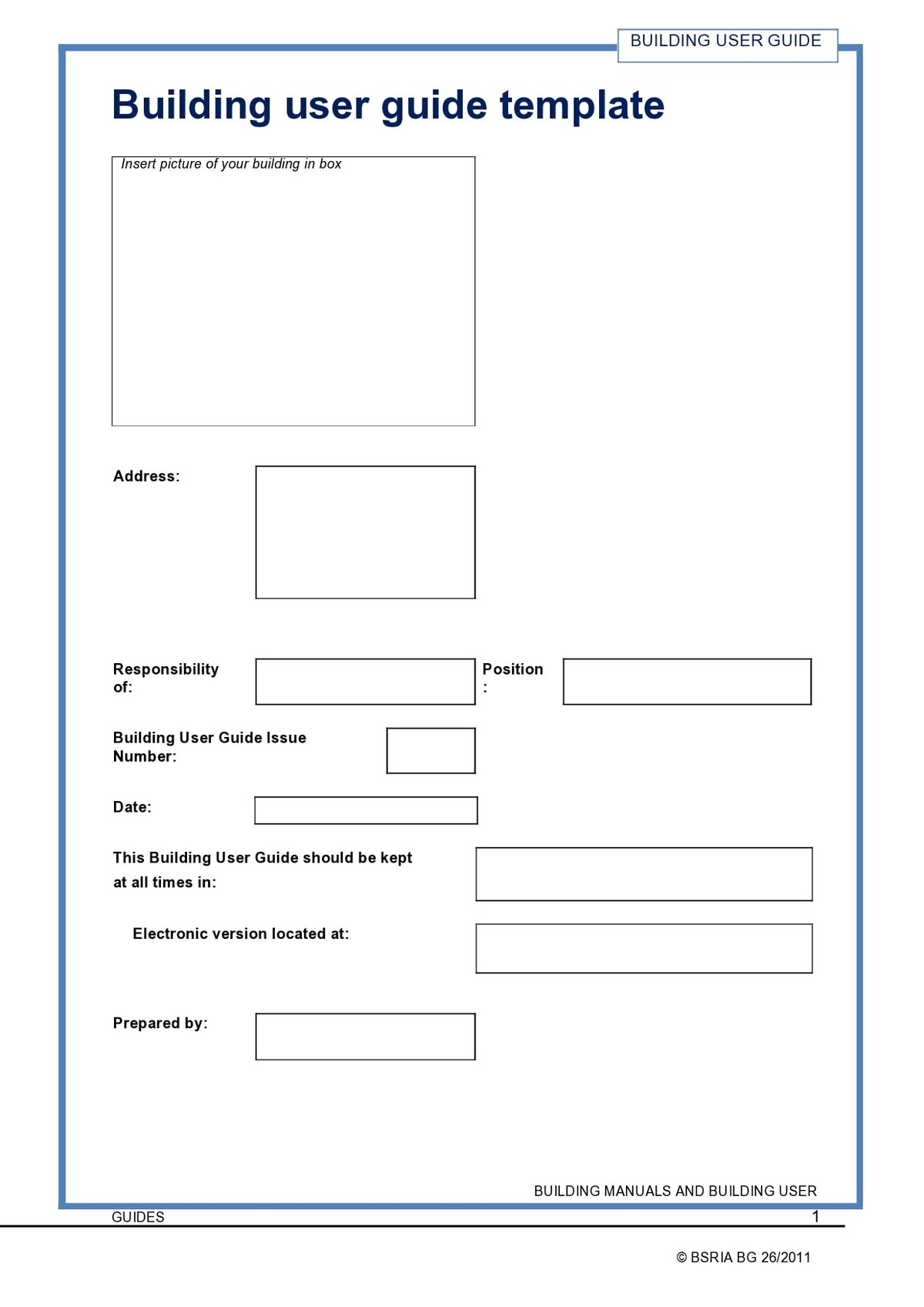
Staring down a new gadget or a complex piece of software can feel like staring into the abyss. You've unboxed it, admired the sleek design, but now what? That's where a well-crafted User Guide & Operation document steps in, transforming potential frustration into confident mastery. It's more than just a pamphlet; it's your trusted companion, designed to bridge the gap between "what is this?" and "how do I make it work for me?"
From assembling a new piece of furniture to navigating the intricate features of a professional application, the right documentation isn't just helpful—it's essential. It ensures you not only understand your product but can operate it safely, efficiently, and to its full potential.
At a Glance: What You'll Learn About User Guides & Operation
- User Guides are for You: They help end-users get started, operate products, and troubleshoot common issues with clear, step-by-step instructions.
- Operations Manuals are for Systems: These delve into the overall functioning of a business or system, covering policies, procedures, and comprehensive workflows.
- Procedure Guides are for Specific Tasks: Focused documents offering repeatable steps for individual actions, promoting consistency and training.
- Modern Documentation is Dynamic: Beyond paper, expect digital formats, videos, and even AI-driven assistants to enhance your learning experience.
- Clarity is King: Effective guides prioritize user-centered design, plain language, and visual aids to empower you, not overwhelm you.
- Why They Matter: Good documentation ensures safety, boosts efficiency, reduces support calls, and elevates overall customer satisfaction.
Beyond the Box: Why You Need More Than Just Intuition
We live in an age of technological marvels, where products promise to simplify our lives, yet often come with a learning curve. While some devices boast intuitive interfaces, the nuances of advanced features, critical safety warnings, or specific maintenance requirements can easily be overlooked without proper guidance. This isn't a failing of your intuition; it's the inherent complexity of innovation.
That's precisely why documents like user guides and operations manuals exist. They provide the necessary context, instructions, and insights to unlock the full value of what you've acquired. Think of them as the silent instructors, always available to clarify, demonstrate, and help you navigate from novice to proficient user.
Decoding the Documentation Landscape: User Guides vs. Operations Manuals vs. Procedure Guides
While often grouped under the broad umbrella of "documentation," "user guide," "operations manual," and "procedure guide" each serve distinct, yet complementary, purposes. Understanding these differences empowers both product creators to deliver targeted information and users to find exactly what they need, when they need it.
The Indispensable User Guide: Your First Product Friend
A User Guide, also commonly known as a user manual, owner's manual, or instruction manual, is the quintessential companion for any product, service, or application. Its primary mission is clear: to empower the end-user. It focuses squarely on how you interact with the product.
Imagine unboxing a new espresso machine. The user guide would walk you through the initial setup: how to unpack it safely, install the water filter, prime the system, and pull your first shot. It breaks down complex processes into digestible, step-by-step instructions, often enriched with diagrams, illustrations, and screenshots. The emphasis is always on "Getting Started" and "How to Use."
Historically, user guides might have included detailed repair information. However, in today's specialized world, that level of detail is typically reserved for dedicated service manuals, intended for trained technicians. Modern user guides, conversely, have evolved to be more accessible and comprehensive in other ways. They are frequently multilingual, addressing a global audience, and might even cover a range of related products within a single document. Beyond print, you'll often find them as downloadable PDFs, alongside quickstart guides for immediate use, or complemented by engaging video tutorials that visually demonstrate key functions.
Typical information you'd find nestled within a user guide spans a wide spectrum, ensuring you're covered from initial setup to ongoing care:
- Safety Information: Crucial warnings and precautions to prevent injury or damage.
- Assembly and Installation: Step-by-step instructions for putting the product together or installing it correctly. For instance, an Installation Manual is a specific type of user guide solely dedicated to this critical initial phase, detailing unpacking, mounting, and connecting procedures according to standards like IEC 82079 or the European Machinery Directive.
- Setup and Configuration: Guidance on initial power-up, network connection, or software settings.
- Normal Operations: How to use the product's core functions day-to-day.
- Programming: Instructions for customizing settings, creating presets, or advanced functions.
- Maintenance: Simple cleaning, basic upkeep, or software updates.
- Troubleshooting: Common problems and their solutions, often in a clear Q&A format.
- Service Locations: Where to go or whom to contact for professional assistance.
- Regulatory Compliance: Information about certifications and standards the product meets.
- Technical Specifications: Detailed performance data and dimensions.
- Warranty Details: What's covered, for how long, and how to make a claim.
The evolution of the user guide is fascinating. From ancient instructions for mechanisms like the Antikythera, to the ever-expanding car owner's manuals (now digital or even AI-assisted), the challenge remains the same: communicating effectively. For software, this often means balancing conciseness with thoroughness, always prioritizing user-centered design to cut through complexity. Think about how a minimalist device like the iPod Shuffle 2nd Generation still benefited from a clear, if brief, user guide to explain its unique interface and operational nuances. Even a seemingly simple product has specific ways it's meant to be used, and a good guide makes that clear.
The Operations Manual: Orchestrating the "How It Works" Behind the Scenes
Moving beyond the individual product experience, an Operations Manual takes a broader, more systemic view. This is a larger, far more detailed document focused on the overall, day-to-day functioning of an entire business, a complex system, or a multifaceted process. Unlike a user guide that tells an individual how to use a product, an operations manual tells an organization how to run its operations smoothly and consistently.
Consider a logistics company. Its operations manual wouldn't just tell a driver how to operate their specific truck (that's for the truck's user guide). Instead, it would outline company policies for vehicle maintenance schedules, procedures for handling customer deliveries, protocols for emergency situations, comprehensive troubleshooting for fleet management software, and guidelines for managing cross-departmental workflows.
An operations manual is often internal-facing, a vital resource for employees, managers, and stakeholders. Its purpose is to standardize practices, ensure compliance, maintain quality control, and facilitate efficient workflow management across the entire enterprise. It’s the playbook for consistent performance, covering aspects like:
- Policies and Procedures: The official rules and methodologies for various business functions.
- Comprehensive Troubleshooting: More in-depth than a user guide, covering system-level issues.
- Equipment Maintenance Schedules: Detailed plans for keeping all operational assets running optimally.
- Customer Service Protocols: How to handle different customer queries, complaints, and issues.
- Workflow Management: How tasks flow between departments or individuals, ensuring seamless transitions.
- Safety Regulations (Internal): Company-specific safety rules beyond product warnings.
- Emergency Response Plans: Step-by-step actions for unforeseen events.
Essentially, if a user guide helps an individual user master a tool, an operations manual helps an entire team or organization master an entire operational ecosystem.
Procedure Guides: Pinpointing Precision for Specific Tasks
Now, let's zoom in further to the Procedure Guide. This document is highly focused, zeroing in on a single, specific task or a very particular workflow. While an operations manual might contain numerous procedures, a standalone procedure guide extracts and details one.
Think of it like a recipe. An operations manual for a restaurant might describe the entire kitchen management system, including staffing, inventory, and cleaning protocols. But a procedure guide would be the specific, step-by-step recipe for preparing the "Chef's Special Risotto," detailing ingredients, cooking times, and plating instructions with absolute precision.
These guides are invaluable for:
- Training: Quickly getting new employees up to speed on specific tasks.
- Consistency: Ensuring that a task is performed the exact same way every time, regardless of who is doing it.
- Quality Control: Standardizing outputs and reducing errors.
- Auditing: Providing clear documentation of how specific actions are carried out.
Examples include a "How to Process a Customer Return" guide for retail staff, a "Steps for Performing a Software Update" guide for IT technicians, or a "Daily Machine Calibration" guide for manufacturing operators. Each step is usually numbered, clearly worded, and leaves no room for ambiguity.
Why These Guides Matter (Beyond Just "How To")
Beyond the immediate benefit of understanding how to operate something, well-structured user guides and operational documentation serve a multitude of critical functions that impact safety, efficiency, and overall satisfaction.
Ensuring Safety and Compliance
Perhaps the most critical role of any product guide is to protect the user and prevent damage. Safety warnings aren't just legal boilerplate; they're vital instructions that, when followed, can avert accidents, injuries, or even fatalities. Comprehensive documentation ensures products are used within their intended parameters, adhering to regulatory standards and directives. Whether it's an electrical appliance or heavy machinery, clear safety instructions are non-negotiable. For businesses, operations manuals likewise ensure compliance with industry regulations, labor laws, and environmental standards, safeguarding both employees and the organization from legal repercussions.
Boosting Efficiency and Productivity
Imagine the time wasted if every new employee had to guess how to perform their duties, or if every customer had to call support for basic questions. User guides provide instant answers, reducing the need for costly and time-consuming support interactions. For complex systems, an operations manual acts as a single source of truth, standardizing processes and eliminating guesswork. This consistency translates directly into faster task completion, fewer errors, and a more productive workforce. A clear procedure guide means less time spent troubleshooting and more time spent executing, maximizing operational output.
Facilitating Troubleshooting and Maintenance
When things go wrong, a good guide becomes your first line of defense. User guides typically include a troubleshooting section that addresses common issues, helping you diagnose and often fix problems yourself before needing professional help. This self-service capability is a massive boon for both users and support teams. For an organization, an operations manual offers deeper insights into systemic issues, guiding staff through more complex problem-solving and ensuring regular, preventative maintenance schedules are followed, thereby extending the lifespan of equipment and reducing costly downtime.
Enhancing Customer Satisfaction and Brand Reputation
Ultimately, the quality of your documentation is a direct reflection of your product and brand. A well-written, easy-to-understand user guide communicates care and attention to detail. It empowers customers, making them feel capable and confident in their purchase. Conversely, poor, confusing, or absent documentation can lead to frustration, negative reviews, and a diminished brand image. For businesses, clear operations manuals ensure consistent service delivery, which is key to retaining customers and building a strong, reliable reputation in the marketplace.
Crafting Clarity: Principles for Effective Documentation
Creating documentation that truly helps people isn't an afterthought; it's an art and a science. It requires a deliberate approach focused on the end-user's needs and context.
User-Centered Design: Always Start with the User
Effective documentation doesn't just describe a product; it anticipates user questions, pain points, and goals. This means putting yourself in the shoes of someone encountering the product for the first time. What do they need to know immediately? What common mistakes might they make?
- Target Audience Analysis: Understand who will be reading the guide (e.g., novice, expert, technician).
- Task-Oriented Structure: Organize information around tasks users want to accomplish, not just product features. For instance, instead of "Controls," have "Adjusting the Temperature."
- Scenario-Based Examples: Provide concrete, relatable scenarios where the product's features are used.
Plain Language and Accessibility: Speak Their Language
Technical accuracy is crucial, but it loses its value if the reader can't understand it. Plain language means using clear, concise sentences, avoiding jargon where possible, and explaining technical terms when they are necessary.
- Avoid Acronyms (or Explain Them): Don't assume prior knowledge.
- Use Active Voice: It's generally clearer and more direct ("You press the button" instead of "The button is pressed by you").
- Consistent Terminology: Use the same word for the same concept throughout the document.
- Readability Metrics: Tools can help assess sentence length and complexity, aiming for an accessible reading level.
- Accessibility Standards: Consider users with disabilities by using clear fonts, sufficient contrast, and alt text for images.
Visual Aids: Show, Don't Just Tell
A picture truly is worth a thousand words, especially when explaining physical assembly or software interfaces. Diagrams, flowcharts, screenshots, and videos can convey complex information far more effectively than text alone.
- High-Quality Diagrams: Clearly labeled parts and arrows indicating direction or action.
- Annotated Screenshots: Point out specific buttons, menus, or results within software.
- Flowcharts: Illustrate complex processes or decision trees in operations manuals.
- Video Tutorials: Excellent for demonstrating dynamic actions, like setting up a device or performing a specific software function.
Modularity and Navigability: Find What You Need, Fast
No one wants to sift through hundreds of pages to find one piece of information. Effective guides are designed for quick reference, not cover-to-cover reading.
- Clear Headings and Subheadings: Use descriptive titles that signpost content.
- Table of Contents: Detailed and accurate, making it easy to jump to sections.
- Indexes and Search Functions: For digital documents, a robust search capability is paramount.
- Cross-Referencing: Link related sections within the document.
- Consistent Layout: Predictable structure makes it easier to locate information.
Multi-Format and Multilingual: Reaching a Global Audience
In today's interconnected world, products often serve users from diverse linguistic and technological backgrounds.
- Multiple Formats: Offer guides as PDFs, web pages (HTML), in-app help, or even physical printouts, catering to different preferences and access points.
- Multilingual Support: Translate guides into all relevant languages, ensuring accuracy and cultural appropriateness. This isn't just a courtesy; it's often a regulatory requirement in many markets.
The Modern Evolution: From Paper to Pixels and AI
The "user guide" of today looks very different from its counterparts of decades past. While the core mission remains the same, the medium and methods of delivery have transformed dramatically, driven by technological advancements and changing user expectations.
Digital Guides and PDFs: Accessibility at Your Fingertips
The most common shift has been from bulky paper manuals to digital versions. PDFs are ubiquitous, easily downloadable, searchable, and environmentally friendlier. They can be hosted on product websites, accessible from anywhere with an internet connection. In-app help systems integrate documentation directly into the software, offering context-sensitive assistance. This digital transformation means you no longer need to keep a shelf full of manuals; your entire library is just a click or tap away.
Video Tutorials and Interactive Experiences: Dynamic Learning
For many, watching a task performed is far more effective than reading about it. Video tutorials have become a cornerstone of modern user guidance, demonstrating complex procedures, setup processes, and troubleshooting steps in an engaging, easy-to-follow format.
Beyond passive viewing, interactive guides and simulations allow users to "try out" a feature or follow steps in a simulated environment before applying them to the real product. This hands-on learning significantly boosts comprehension and confidence, especially for intricate software or device configurations.
AI-Powered Assistants: Intelligent Guidance on Demand
The frontier of user guidance now includes Artificial Intelligence. Chatbots and AI assistants, embedded directly into products or accessible via websites and apps, can answer questions, guide users through processes, and even diagnose problems using natural language. Imagine asking your smart appliance how to run a specific cycle, and it not only tells you but also highlights the steps on its display. These systems can learn from user interactions, becoming more intelligent and helpful over time, offering a truly personalized "read operator's manual" experience (sometimes even signaled by the Unicode symbol U+1F4D6). This integration moves documentation from a static resource to a dynamic, conversational helper.
Common Pitfalls to Avoid When Using or Creating Documentation
Even the best-intentioned documentation can fall short if certain common traps aren't avoided. For users, recognizing these pitfalls helps you navigate less-than-perfect guides. For creators, avoiding them is key to delivering truly valuable resources.
Ignoring Safety Warnings (User Pitfall)
This is perhaps the most dangerous oversight. Skimming past the safety section or assuming you know best can lead to injury, product damage, or even legal issues. Always prioritize reading and understanding all safety instructions, especially during initial setup and operation.
Skipping Setup Steps (User Pitfall)
Excitement to use a new product often leads to rushing through the "Getting Started" section. However, crucial steps like charging batteries correctly, pairing devices, or installing software drivers properly can prevent frustrating malfunctions down the line. A few minutes invested upfront saves hours of troubleshooting later.
Overly Technical Jargon (Creator Pitfall)
While some technical terms are unavoidable, drowning the user in acronyms, industry-specific lingo, or overly complex sentences is a recipe for frustration. Good documentation translates technical complexity into understandable language, offering explanations where jargon is necessary.
Outdated Information (Creator Pitfall)
Products, especially software, evolve rapidly. Documentation that isn't regularly updated to reflect new features, UI changes, or firmware updates quickly loses its value and can actively mislead users. A robust revision control and update process is crucial for maintaining relevance.
Lack of Index or Searchability (Creator Pitfall)
Imagine a 200-page digital manual with no table of contents or search function. Users would be forced to endlessly scroll, wasting time and patience. Effective documentation makes information discoverable, whether through a comprehensive index for print or powerful search capabilities for digital formats.
Disconnected Formats (Both Pitfall)
If your quickstart guide contradicts the full user manual, or your video tutorial shows different steps than your written instructions, you're creating confusion. All documentation assets should be consistent, reinforcing the same message and instructions across different formats.
Addressing Your Burning Questions About Product Documentation
Let's tackle some frequently asked questions that shed more light on the nuances of user guides and operational documents.
What's the difference between an owner's manual and a service manual?
An owner's manual (or user guide) is designed for the end-user. It focuses on how to operate, maintain, and troubleshoot a product from a user's perspective. It contains information for safe, normal use, and basic care. A service manual, on the other hand, is intended for qualified technicians. It contains detailed schematics, repair procedures, diagnostic codes, specialized tooling requirements, and part numbers necessary for deep repair and maintenance beyond the scope of a typical user.
Do I really need to read the entire guide?
For complex products, it's highly recommended to at least skim the entire guide, paying close attention to safety warnings, setup instructions, and the "Getting Started" section. For simpler items, focusing on the quickstart guide and referencing specific sections (like troubleshooting or advanced features) as needed is often sufficient. The key is to know where to find information when you need it, which a quick skim helps establish.
How do I find a lost user guide?
Most manufacturers provide digital versions of their user guides on their official websites. Look for a "Support," "Downloads," or "Manuals" section. You'll usually need the product's model number, which is typically found on a label on the device itself, its packaging, or sometimes within the product's settings menu (for software/electronics). Many third-party sites also host manuals, but it's always best to get the official version directly from the manufacturer for accuracy.
Can AI replace traditional user guides?
AI-powered assistants are a powerful augmentation, but they're unlikely to completely replace traditional user guides in the foreseeable future. AI excels at answering specific questions and guiding users through known processes. However, a comprehensive, structured user guide provides a foundational knowledge base, allows for serendipitous discovery of features, and serves as a reliable reference point even when internet connectivity or AI systems are unavailable. The future likely involves a hybrid approach, where AI enhances access to information and provides personalized guidance, while well-structured digital manuals remain the authoritative source.
Putting It Into Practice: Your Next Steps for Smarter Product Interaction
Navigating the world of products and systems doesn't have to be a guessing game. Armed with a deeper understanding of user guides and operation manuals, you're now better equipped to leverage these powerful resources effectively.
For product users, make it a habit to:
- Locate the Guide: Before assembly or first use, find the user guide—whether it's a physical booklet, a downloaded PDF, or an in-app help system.
- Prioritize Safety & Setup: Always review the safety warnings and initial setup instructions. This is non-negotiable for safe and effective use.
- Use It as a Reference: Don't feel you need to memorize every detail. Instead, learn how to quickly navigate to the sections you need when a question arises, whether it's for troubleshooting or unlocking an advanced feature.
- Embrace Digital: Take advantage of online resources, video tutorials, and manufacturer support sites.
For product creators and business leaders, consider these actions: - Invest in Clarity: Prioritize user-centered design, plain language, and clear visuals in all documentation efforts.
- Regularly Update: Ensure your guides reflect the current state of your product or operations. Outdated information is worse than no information.
- Offer Multiple Formats: Cater to diverse user preferences by providing guides in various accessible formats (PDF, web, video).
- Solicit Feedback: Actively seek input from users and employees on your documentation. Their real-world experiences are invaluable for continuous improvement.
By respecting the critical role of comprehensive documentation, we empower ourselves to make the most of our tools, systems, and technologies. A well-understood product isn't just a convenience; it's a catalyst for productivity, safety, and genuine satisfaction.